 Sportransfers
Mbappé's Mao Meme Costs Him Brands in China
Controversy·November 4, 2026
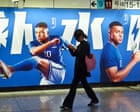
It has been a rough start to the week for Kylian Mbappé. The Real Madrid and France forward has joined a growing list of foreign brands and individuals in China accused of "hurting the feelings of the Chinese people," a charge that can carry serious commercial consequences in the world's second-largest economy.
The trouble started with a video in which Mbappé made light of a meme that links him with Mao Zedong, the former leader who is still the central figure of modern China's founding story. Once the clip began circulating, several brands that had worked with him in the market moved to distance themselves from the player.
Chinese media coverage of the episode has been notably thin. Outlets have largely avoided spelling out what was said, which says a lot about how Mao's image is handled at home. Open jokes about him, even light-hearted ones, rarely go unnoticed, and the topic is one that domestic publishers tend to approach with great caution.
Foreign companies have seen this pattern before. In 2018, Dolce & Gabbana faced a fierce backlash in China over an advertising campaign that critics said disrespected Chinese culture. The brand cancelled a planned show in Shanghai and lost ground on major e-commerce platforms, and it took years to rebuild its position there.
For sponsors weighing partnerships with international stars, the lesson is simple. China remains one of the most valuable markets in sport, but a joke that would draw little more than a shrug in Europe can lead to a quick withdrawal of support there. Athletes with large followings in the country now have to think about how a single clip might be read.
The timing is also awkward for Mbappé. The controversy arrived the same week he missed out on adding a Ballon d'Or to his record, leaving him to deal with a headline he did not choose on a week that was already difficult.
Reporting based on an external source.