 Sportransfers
Medvedev's China Open Dismissal Reignites Debate Over Tennis Discipline
Tennis·October 7, 2026
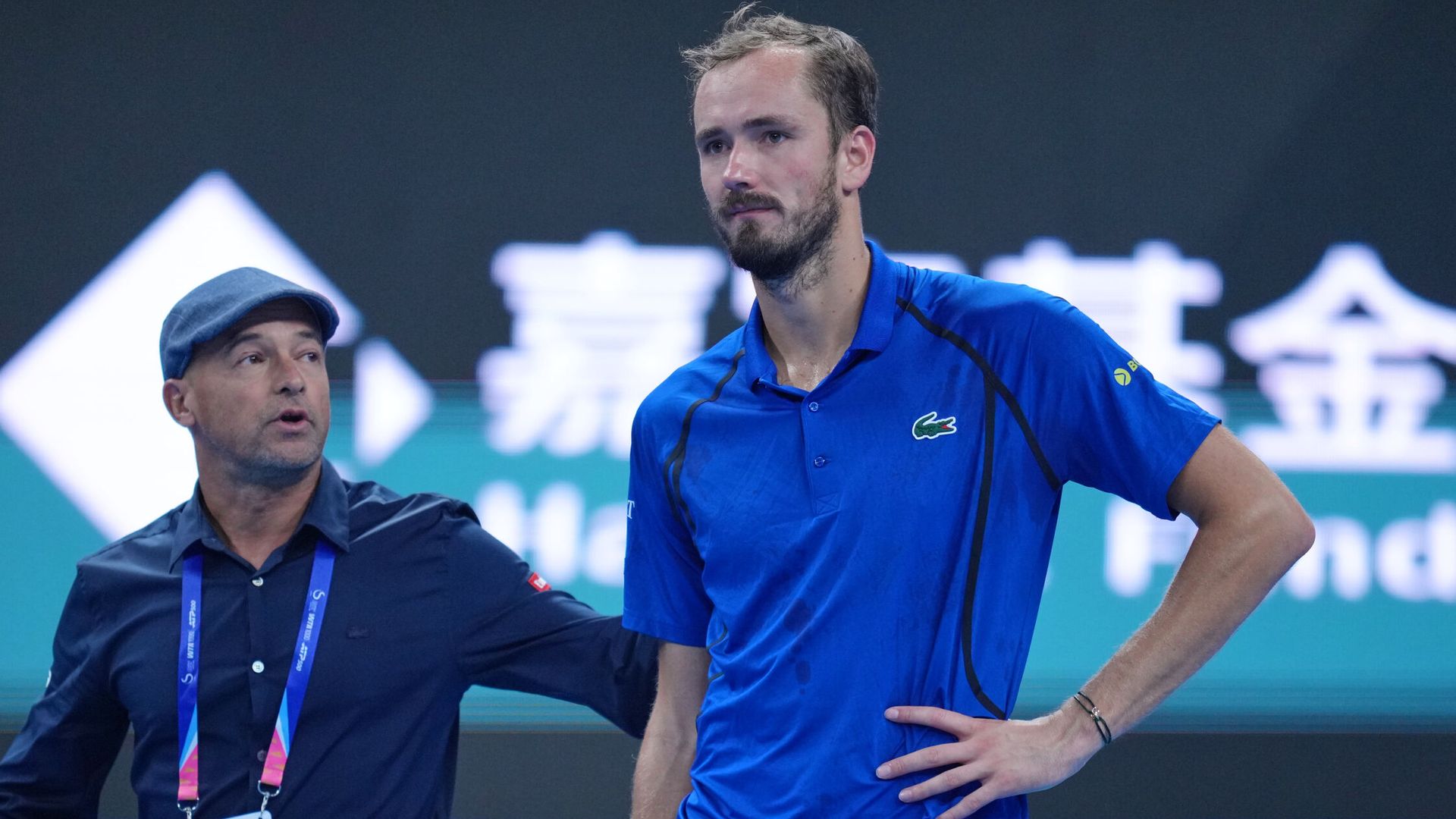
Daniil Medvedev's default from his China Open semifinal against Novak Djokovic for striking a spectator with the ball has triggered widespread discussion about whether match officials made the correct call. The incident raises important questions about player accountability, proportionality in punishment, and how tennis enforces its conduct rules.
Medvedev's frustration boiled over during the decisive moments of his match against Djokovic when he hit a ball toward the crowd, connecting with a spectator. Officials invoked the code violation rule for unsportsmanlike conduct and escalated it to a default, ending his tournament participation immediately. The decision drew sharp reactions across the tennis world, with some arguing the punishment was justified while others suggested a fine or warning might have been more proportionate.
The rulebook does give officials discretion in these situations. Tennis code violations allow for progressive discipline, meaning officials can issue warnings first, then fines, before resorting to defaults. Critics of the default argued that Medvedev's strike appeared accidental rather than deliberately targeted, and that removing him from the match seemed disproportionate to many other incidents of player frustration that only draw fines. Defenders of the call pointed out that any contact with a spectator, regardless of intent, represents a serious breach that puts fans at risk and demands a strong response to maintain player accountability.
The broader context matters too. Tennis has grown increasingly strict about on-court conduct in recent years, with authorities attempting to improve behavior and protect the experience for paying spectators. Yet this stricter approach sometimes clashes with the spontaneity and passion that makes the sport compelling. Medvedev's incident sits at that uncomfortable intersection: a moment of genuine frustration that crossed a line, but perhaps not one that warranted immediate expulsion.
Ultimately, the default decision reflects tennis trying to enforce consistent standards, even when those calls prove controversial.
Reporting based on an external source.