 Sportransfers
Reverse Grid and Rain Set Up a Wide-Open Sao Paulo Race
Formula 1·November 8, 2026
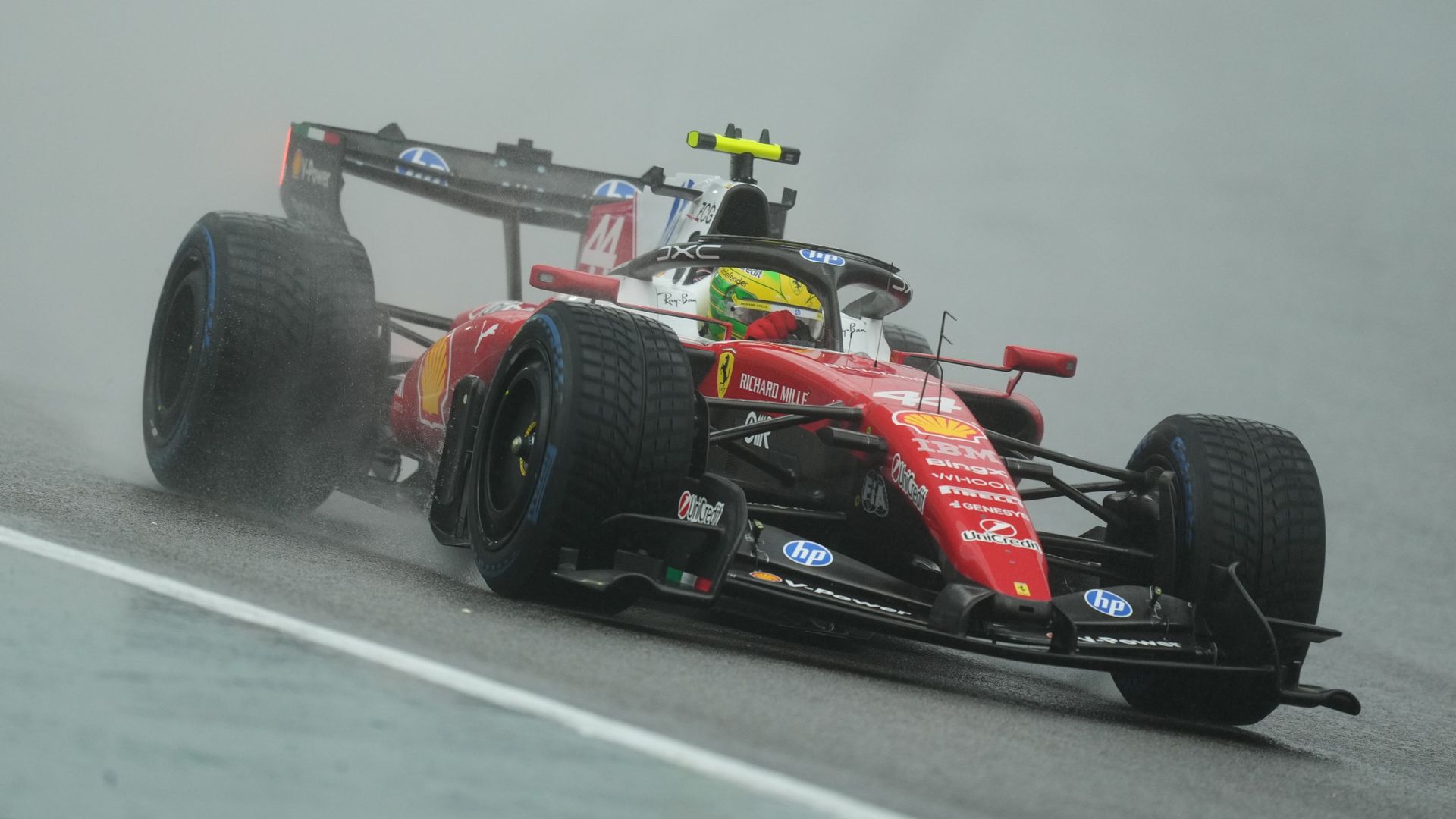
The Sao Paulo Grand Prix on Sunday has been given an unusual shape. Under a reverse grid, the running order is flipped so that drivers who would normally start near the front are placed further back, which turns the usual qualifying hierarchy on its head. Add a rain forecast and the result is a race where strategy and nerve could matter as much as outright pace.
The headline question is whether Max Verstappen and Lewis Hamilton can work their way through the field from the back. Both are among the most experienced overtakers in the sport, and Interlagos has a long record of rewarding bold moves and late changes of fortune. If either of them starts deep in the pack, the race becomes a test of how quickly they can pick off cars without taking unnecessary risks.
Rain is the wildcard. Wet running can scramble the order within a few laps, reward drivers who read changing conditions best, and turn tyre choices into a gamble. A track that dries out partway through can be just as disruptive, forcing teams to make calls on when to pit and which compound to fit. Nothing about the forecast is certain yet, so teams will be watching the sky as closely as the timing screens.
Much will depend on the opening lap. Drivers who get a clean start and stay out of trouble will have the best chance to build a path forward. For fans, the appeal is simple: a shuffled grid and uncertain weather tend to produce a race that is hard to predict, and that is exactly the setup Sunday's event has.
Reporting based on an external source.