 Sportransfers
The All Blacks' Haka Explained, and the Other Rituals That Make Rugby Unique
Rugby Culture·October 17, 2026
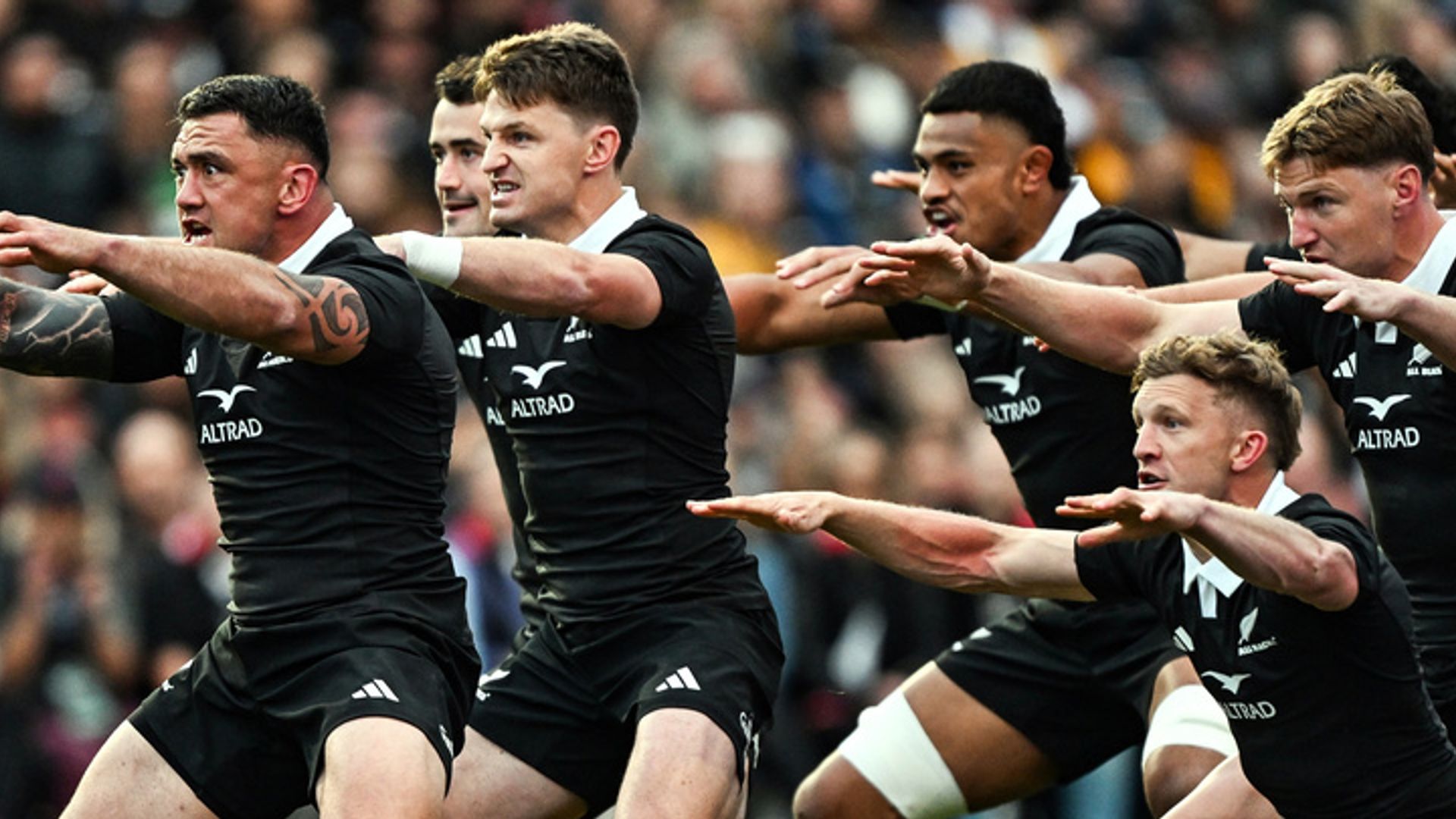
Few moments in sport are as instantly recognisable as the sight of the All Blacks performing the haka. Fifteen players step forward, chests out, hands slapping thighs and tongues sometimes thrust out, while the visiting team stands in silence a few metres away. For many fans it is the moment a Test match stops being a fixture and becomes an event.
The best-known version is Ka Mate, a haka composed by Te Rauparaha, a chief of the Ngāti Toa iwi, in the early nineteenth century. The story behind it is that Te Rauparaha was hunted by enemies and hid in a kūmara pit, while a man named Te Wharerangi sat on top of the cover and kept the pursuers from finding him. Once he had emerged safely, Te Rauparaha gave thanks in words that are usually translated as "It is death, it is death, it is life, it is life." The haka celebrates survival and the life force that follows hardship, and it is a reminder that the chant was born as a personal statement of triumph, not a sporting gimmick.
The All Blacks adopted it as a team tradition during the twentieth century, and it became closely tied to New Zealand's rugby identity. The 1905 touring side, often called the Originals, is widely credited with bringing a haka to British crowds, and over the decades the performance grew into the ritual now seen before Tests around the world. Its power comes from the contrast between the stillness of the opposition and the force of the team facing them.
More recently, the All Blacks have also performed Kapa o Pango, a newer haka composed by the artist and haka expert Derek Lardelli. It was designed to reflect the team's identity in a modern way and is performed alongside or in place of Ka Mate on certain occasions. Debate among fans sometimes flares over which haka should be used, but both are seen as expressions of Māori culture within the wider rugby world.
The haka also carries a second meaning. It is a challenge, a display of strength and unity meant to intimidate the opposition and to show respect at the same time. Other Pacific nations have their own versions. Tonga performs the Sipi Tau, Samoa performs the Siva Tau, and Fiji performs the Cibi, and these are often seen in matches against New Zealand or in response to the haka itself. Teams that perform them are not simply copying the All Blacks. They are making their own statement of pride.
Rugby has plenty of other rituals that give the game its character. The most famous is the "third half", the tradition of players from both teams sharing a drink and talking after the final whistle, whatever the scoreline. The captains' coin toss, the pre-match captain's run and the handshakes before kick-off are all routines that players repeat without thinking, but which build a sense of shared respect between teams. In Wales, the crowd singing of the national anthem at the Millennium Stadium and elsewhere has become one of the most emotional moments in international sport.
Taken together, these traditions show why rugby feels different from many other sports. Players are fierce rivals for 80 minutes, then teammates and friends in the bar afterwards. The haka is perhaps the most dramatic example of that balance, a fierce challenge delivered with a sincere sense of respect. It is one of the few moments in sport where the opponent is meant to stand still and listen.
Reporting based on an external source.